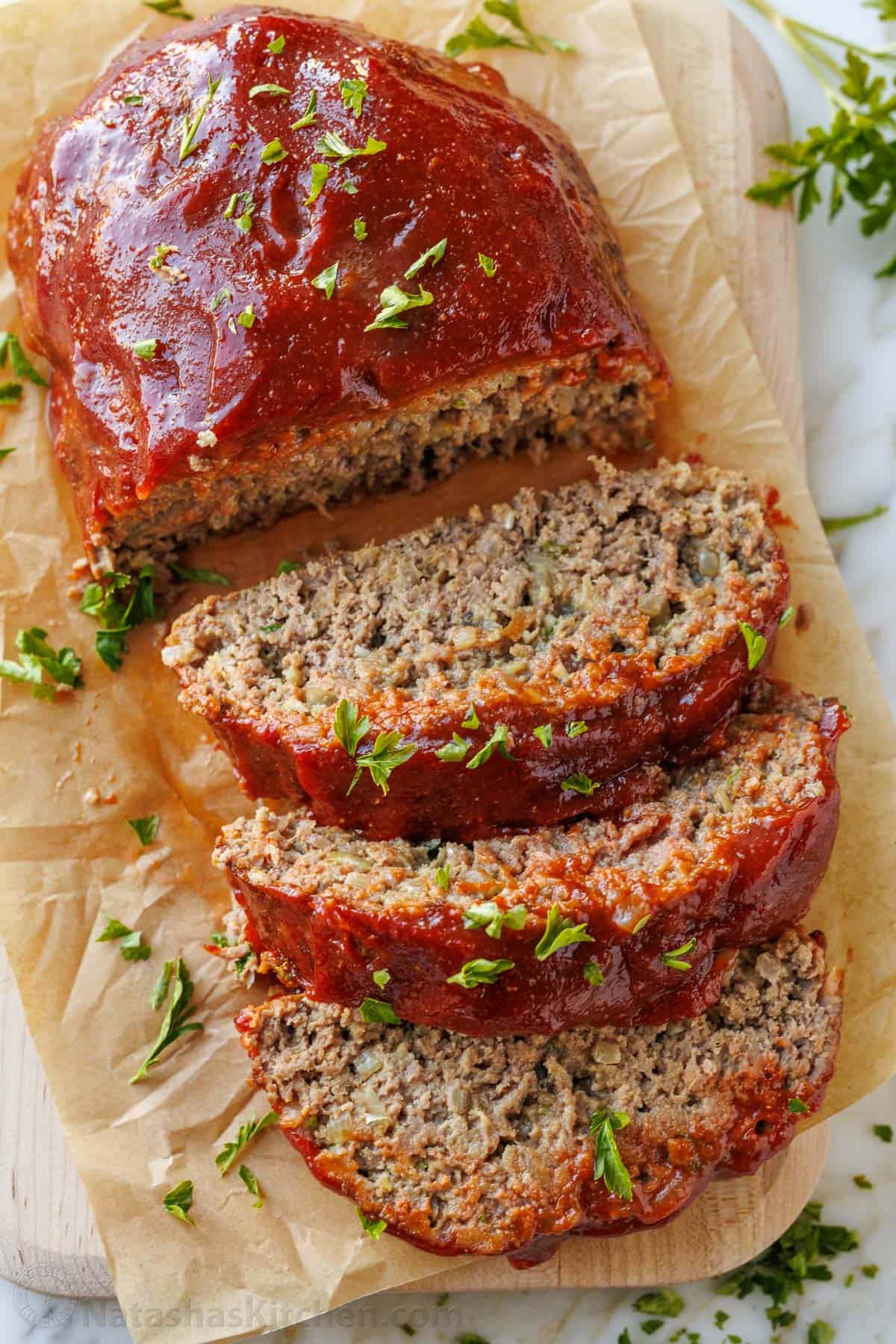
Crafting the Best Meatloaf: Juicy Recipe with Sweet & Tangy Glaze
When the evening chill settles in and the day's hustle winds down, there's a particular kind of warmth that only a truly exceptional homemade
meatloaf can provide. More than just a meal, it’s a comforting embrace, a fragrant invitation to gather around the table, and a beloved classic that transcends mere sustenance. The aroma of sautéed onions and garlic, mingling with rich ground meat, often conjures a deep sense of nostalgia – a culinary journey back to simpler times and cherished family traditions. While many have a go-to
meatloaf recipe, our goal today is to elevate this humble dish into something truly extraordinary: a perfectly juicy
meatloaf crowned with an irresistible sweet and tangy glaze that promises to be a crowd-pleaser and a staple in your culinary repertoire.
Forget any preconceived notions of dry, bland loafs; this is about achieving a moist, flavorful interior with a satisfyingly caramelized exterior, all brought together by a glaze that awakens the taste buds. It’s an accessible dish that transforms a busy weeknight into a memorable feast with minimal fuss, proving that simple ingredients can indeed create something spectacular. So, let’s roll up our sleeves and uncover the secrets to crafting the best
meatloaf you’ll want to make again and again!
The Enduring Allure of a Classic Comfort Food
The journey of
meatloaf from ancient tables to modern dinner plates is a testament to its enduring appeal and remarkable adaptability. Its roots stretch back to the Roman Empire, with early recipes found in Apicius's 1st-century cookbook, *De Re Coquinaria*, describing mixtures of minced meat, soaked bread, wine, and spices formed into loaves or patties. European culinary traditions saw similar preparations evolve, such as the French pâté en terrine, further influencing the loaf shape we recognize today. For a deeper dive into its fascinating history, explore
Meatloaf: From Ancient Roman Staple to American Comfort Food Icon.
In the United States,
meatloaf found its stride among Pennsylvania Dutch settlers in the 18th century, adapting their scrapple into a baked form. However, it wasn't until the late 19th century, with the advent of affordable meat grinders, that it gained widespread popularity. The Great Depression and World War II solidified its iconic status as an American comfort food. Amidst rationing and the need to stretch limited resources,
meatloaf became a symbol of ingenuity and resourcefulness. It was a budget-friendly, protein-rich meal often topped with a ketchup-based glaze and served alongside mashed potatoes, firmly embedding itself in mid-20th-century family dining traditions. Today, its versatility shines through countless variations, from healthier turkey or plant-based options to international adaptations like Danish *hakkebøf* or Japanese *hambagu*. This adaptability is a key reason
Why Meatloaf Endures: Versatility, Economy, and Global Adaptations across global cuisines.
Unlocking the Secrets to a Truly Juicy Meatloaf
The hallmark of an exceptional
meatloaf is its moist, tender interior. Achieving this isn't difficult, but it requires understanding a few key principles:
Choosing the Right Meat Blend
*
Fat Content is Key: While leaner meats might seem healthier, they often result in a dry
meatloaf. A blend with about 15-20% fat content is ideal. Ground beef (80/20 lean-to-fat ratio) is a fantastic base. Many chefs swear by a combination of ground beef, pork, and even veal (the classic "meatloaf mix") for added depth of flavor and moisture. Pork contributes additional fat and a tender texture, while veal adds a delicate richness.
*
Avoid Over-Leaning: If using very lean ground beef (90/10 or higher), consider adding a little ground pork or a tablespoon of olive oil to the mixture to compensate for the lack of fat.
The Magic of Binders and Moisture
*
Breadcrumbs and Milk: These are your best friends for a juicy loaf. Breadcrumbs (panko or regular) absorb moisture from the meat and other ingredients, then release it slowly during cooking, preventing dryness. Soaking them in milk (or broth) before mixing creates a "panade," which is a traditional technique for keeping ground meat preparations incredibly tender and moist.
*
Eggs: Essential for binding the ingredients together, eggs also contribute moisture and richness, ensuring the
meatloaf holds its shape without crumbling.
*
Sautéed Aromatics: Onions and garlic not only add incredible flavor but also contribute moisture to the mixture. Sautéing them *before* adding them to the meat mixture softens them, mellows their raw bite, and releases their aromatic oils, infusing the entire loaf with depth.
Seasoning and Gentle Handling
*
Flavor Builders: Don't skimp on seasonings! Beyond salt and pepper, consider Worcestershire sauce for umami, dried herbs like thyme or oregano, a touch of smoked paprika, or even a dash of hot sauce for a subtle kick. Taste a small pan-fried piece of your mixture before baking to adjust seasonings.
*
Gentle Mixing: This is crucial. Overmixing compresses the proteins in the meat, leading to a dense, tough texture. Mix just until combined, handling the mixture gently with your hands.
*
Shaping the Loaf: Whether you use a loaf pan or free-form it on a baking sheet, avoid compacting the mixture too tightly. A slightly looser pack allows heat to penetrate evenly and keeps the loaf tender.
Doneness and Resting
*
Internal Temperature: For food safety and optimal juiciness, cook your
meatloaf until it reaches an internal temperature of 160°F (71°C). Use a reliable meat thermometer inserted into the thickest part.
*
The Rest is Best: Once cooked, allow the
meatloaf to rest for at least 10-15 minutes before slicing. This allows the juices to redistribute throughout the loaf, resulting in a more succulent and less crumbly slice.
Crafting the Perfect Sweet & Tangy Glaze
While a well-made
meatloaf is delicious on its own, a vibrant glaze elevates it to a whole new level. It adds a crucial layer of flavor, creates a beautifully caramelized crust, and locks in moisture.
*
The Ketchup Foundation: The classic
meatloaf glaze starts with ketchup for its inherent sweetness, tang, and rich tomato flavor.
*
Sweetness Counterpoint: Brown sugar (light or dark) is the perfect partner, adding a deep molasses sweetness that caramelizes beautifully. Maple syrup or honey can also be used for different flavor profiles.
*
Tang for Balance: To cut through the richness of the meat and the sweetness of the sugar, a tangy element is essential. Apple cider vinegar is fantastic here, providing a fruity acidity. Worcestershire sauce also contributes tang along with a savory umami kick.
*
Depth and Spice: A touch of Dijon mustard adds a subtle sharp warmth. For those who enjoy a little heat, a dash of hot sauce (like Sriracha or Tabasco) or a pinch of cayenne pepper can provide a lovely contrast. Smoked paprika can also add an earthy, smoky dimension.
*
When to Glaze: Apply the glaze about halfway through the baking process. This allows it to bake onto the
meatloaf without burning, forming a delicious, sticky crust. You can even reserve a bit to brush on again in the last 10-15 minutes for extra shine and flavor.
Your Ultimate Recipe for the Best Juicy Meatloaf with Sweet & Tangy Glaze
This recipe brings together all the tips and techniques discussed, ensuring a
meatloaf that's moist, flavorful, and utterly satisfying.
Yields: 8 servings
Prep time: 20 minutes
Cook time: 60-75 minutes
Ingredients:
For the Juicy Meatloaf:
* 1 tablespoon olive oil
* 1 large yellow onion, finely diced
* 3 cloves garlic, minced
* 2 pounds ground beef (80/20 recommended)
* 1/2 pound ground pork (optional, for extra juiciness and flavor)
* 2 large eggs, lightly beaten
* 1 cup panko breadcrumbs (or regular fine breadcrumbs)
* 1/2 cup whole milk (or half-and-half)
* 2 tablespoons Worcestershire sauce
* 1 teaspoon dried thyme
* 1 teaspoon smoked paprika (optional, for depth)
* 1 teaspoon salt
* 1/2 teaspoon black pepper
* 1/4 cup fresh parsley, chopped (optional, for freshness)
For the Sweet & Tangy Glaze:
* 1 cup ketchup
* 1/2 cup packed light brown sugar
* 2 tablespoons apple cider vinegar
* 1 tablespoon Worcestershire sauce
* 1 tablespoon Dijon mustard
* 1/2 teaspoon garlic powder
* Pinch of cayenne pepper (optional, for a subtle kick)
Instructions:
1.
Preheat Oven & Prep Aromatics: Preheat your oven to 375°F (190°C). Heat olive oil in a skillet over medium heat. Add the finely diced onion and cook until softened and translucent, about 5-7 minutes. Add the minced garlic and cook for another minute until fragrant. Remove from heat and let cool slightly.
2.
Prepare the Panade: In a large mixing bowl, combine the breadcrumbs and milk. Let it sit for 5 minutes to allow the breadcrumbs to absorb the liquid. This is your panade.
3.
Combine Meatloaf Ingredients: To the panade, add the cooled sautéed onions and garlic, ground beef (and pork, if using), beaten eggs, Worcestershire sauce, dried thyme, smoked paprika (if using), salt, black pepper, and chopped parsley (if using).
4.
Mix Gently: Using clean hands, mix all the ingredients *gently* until just combined. Be careful not to overmix, as this can make the
meatloaf tough.
5.
Shape the Loaf: Lightly grease a large baking sheet or line it with parchment paper. Transfer the meat mixture to the baking sheet and shape it into an oval loaf, roughly 9x5 inches. If using a loaf pan, gently press the mixture into the pan.
6.
Prepare the Glaze: In a small bowl, whisk together all the glaze ingredients: ketchup, brown sugar, apple cider vinegar, Worcestershire sauce, Dijon mustard, garlic powder, and cayenne pepper (if using).
7.
Initial Bake: Place the
meatloaf in the preheated oven and bake for 30 minutes.
8.
Apply Glaze: After 30 minutes, remove the
meatloaf from the oven. Evenly spread about two-thirds of the glaze over the top and sides of the loaf.
9.
Finish Baking: Return the glazed
meatloaf to the oven and continue baking for another 30-45 minutes, or until the internal temperature reaches 160°F (71°C) when measured with a meat thermometer inserted into the thickest part. If using a loaf pan, drain any excess fat halfway through the second baking phase.
10.
Rest and Serve: Once cooked, remove the
meatloaf from the oven and let it rest for at least 10-15 minutes before slicing. This crucial step allows the juices to redistribute, ensuring a moist and tender slice. Slice and serve with your favorite sides, perhaps drizzling with any reserved glaze.
Pro Tips for Success:
*
Don't Be Afraid to Sample: Before baking, pan-fry a tiny patty of the meat mixture to check and adjust seasonings.
*
Loaf Pan vs. Free-Form: A loaf pan helps contain moisture and shape, while free-forming allows for more surface caramelization. If using a loaf pan, consider baking it on a wire rack placed inside the pan to allow fat to drip away for a less greasy bottom.
*
Leftovers are Gold: Cold meatloaf makes fantastic sandwiches! Slice thinly and pile onto bread with a little extra glaze or mustard.
Serving Suggestions & Pairings
A perfectly cooked
meatloaf is a star, but it shines even brighter with the right supporting cast. Classic pairings include creamy mashed potatoes (perfect for soaking up any juices or extra glaze), roasted asparagus, green bean casserole, or a simple side salad for a touch of freshness. For a twist, try it with creamy polenta, roasted root vegetables, or even a side of mac and cheese. The versatility of
meatloaf also means it’s an economical choice that stretches beautifully into leftovers, embodying its resourceful roots.
Conclusion
From its ancient origins to its modern status as a beloved American comfort food,
meatloaf has proven its timeless appeal. This recipe, focusing on techniques for achieving ultimate juiciness and a balance of sweet and tangy flavors in its glaze, promises to deliver a dish that will become a cherished tradition in your home. It's a culinary hug on a plate – hearty, flavorful, and deeply satisfying. So, gather your ingredients, follow these steps, and prepare to enjoy the best
meatloaf you’ve ever tasted. It's more than just dinner; it’s an experience that brings warmth and smiles to any table.