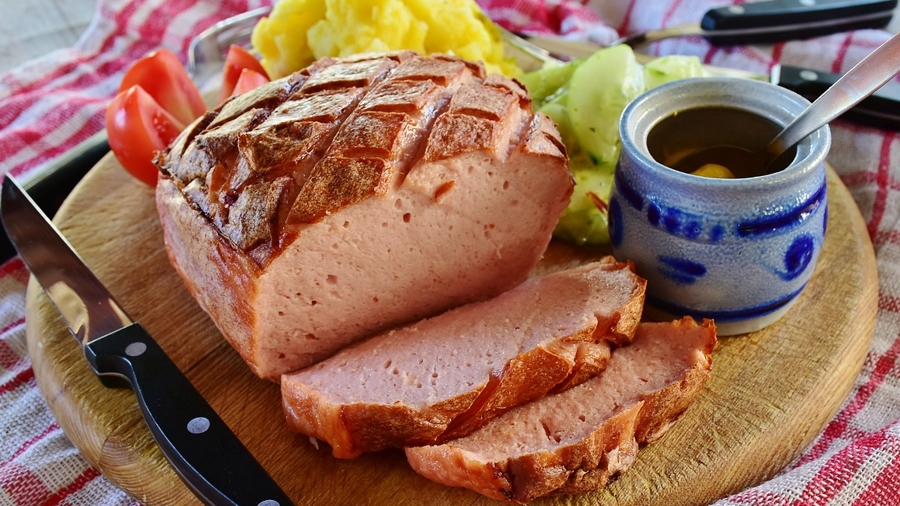
Why Meatloaf Endures: A Culinary Journey of Versatility, Economy, and Global Adaptations
There are few dishes that evoke such a profound sense of comfort and nostalgia as meatloaf. For many, the mere mention conjures images of cozy family dinners, the fragrant aroma of savory spices filling the kitchen, and a hearty meal that satisfies both body and soul. Beyond its emotional resonance, meatloaf has carved out an enduring place in culinary history due to its remarkable versatility, economic practicality, and surprising adaptability across diverse global cuisines. It’s more than just ground meat shaped into a loaf; it’s a testament to resourceful cooking and the universal appeal of a truly satisfying meal.
A Rich History: From Ancient Rome to Modern Tables
The story of meatloaf is far older and more complex than many might imagine, tracing its roots back to the dawn of recorded cooking. It’s a culinary journey spanning millennia and continents, evolving from simple necessity into a beloved staple.
- Early Origins and European Evolution: The concept of combining minced meat with binders and seasonings isn't a modern invention. Ancient Rome, specifically in the 1st century AD, showcased early forms of this preparation. Recipes found in the famed cookbook De Re Coquinaria (often attributed to Apicius) describe mixtures of minced meat, soaked bread, wine, spices, and pine nuts, often formed into patties or loaves. While not identical to modern meatloaf, these early iterations laid the groundwork for future meat-based preparations. As centuries passed, European culinary traditions further developed these ideas. French pâté en terrine, for example, refined the technique of baking a forcemeat mixture in a loaf-shaped mold, undoubtedly influencing the aesthetic and structural aspects of what would become the familiar meatloaf.
- The American Journey and Comfort Food Status: Meatloaf truly began to resemble its contemporary form with the arrival of European settlers in America. In the 18th century, Pennsylvania Dutch communities adapted their traditional scrapple – a loaf made from pork scraps and cornmeal – into a baked, meat-centric dish. However, it wasn't until the late 19th century that meatloaf truly soared in popularity, thanks largely to the invention and widespread availability of affordable meat grinders. These devices simplified the preparation of ground meat, making meatloaf accessible to every household. Its status as an iconic American comfort food was cemented during the lean times of the Great Depression and World War II. Faced with meat rationing and tight budgets, families turned to meatloaf as a resourceful, budget-friendly meal that stretched limited proteins to feed many. Often crowned with a tangy ketchup-based glaze and served alongside creamy mashed potatoes, it became a symbol of resilience and resourceful home cooking, firmly embedding itself in mid-20th-century family dining traditions. To learn more about this fascinating journey, delve into Meatloaf: From Ancient Roman Staple to American Comfort Food Icon.
The Unbeatable Versatility of Meatloaf
Perhaps the greatest strength of meatloaf lies in its unparalleled versatility. It's a culinary chameleon, capable of adapting to various tastes, dietary preferences, and pantry inventories. This adaptability is precisely why it remains a consistent favorite for home cooks.
- Beyond Beef: Exploring Protein Options: While classic meatloaf often features ground beef, its definition extends far beyond. Many recipes call for a combination of beef, pork, and veal, which contributes to a richer flavor and moister texture. However, health-conscious or adventurous cooks frequently experiment with ground turkey or chicken for leaner alternatives. For vegetarians and vegans, plant-based ground "meat" options have opened up an entirely new realm of meatloaf possibilities, mimicking the texture and savory profile without animal products. Each protein choice brings its own unique character to the dish, from the robust flavor of beef to the mildness of turkey, allowing for endless customization.
- Binders and Flavor Builders: The magic of a perfectly structured and flavorful meatloaf comes down to its supporting cast of ingredients. Binders like breadcrumbs (or crushed crackers), eggs, and sometimes milk or broth are crucial. They not only hold the ground meat mixture together, preventing it from crumbling, but also add essential moisture, contributing to that desirable tender, velvety interior. Finely diced onions, garlic, and a medley of seasonings – from simple salt and pepper to more complex herbs like thyme, sage, or oregano – infuse the loaf with depth and aroma. A pro tip for a truly moist meatloaf is to avoid overmixing the ingredients; gentle handling keeps the meat tender. Some cooks even soak breadcrumbs in milk before adding them, further enhancing the moisture content.
- Glazes, Fillings, and Accompaniments: The final flourish on many meatloaf recipes is the glaze, a crucial element that provides a caramelized, crusty exterior and an extra burst of flavor. The iconic sweet and tangy ketchup-based glaze is a perennial favorite, but the possibilities are endless. Consider BBQ sauce, a balsamic reduction, mushroom gravy, or even a spicy sriracha glaze for a modern twist. For added indulgence, meatloaf can be wrapped in bacon before baking, or filled with cheese, sautéed mushrooms, or spinach. As for accompaniments, the traditional pairing with mashed potatoes and gravy is unbeatable, creating a hearty and complete meal. However, roasted vegetables, green beans, or a fresh side salad also make excellent pairings. To master the art of the perfect glaze and a truly juicy loaf, check out Crafting the Best Meatloaf: Juicy Recipe with Sweet & Tangy Glaze.
Economy and Resourcefulness: The Heart of Meatloaf
At its core, meatloaf embodies the principle of smart, economical cooking. It's a dish born out of necessity that continues to serve as a beacon of budget-friendly culinary ingenuity.
- Stretching Ingredients and Budgets: The fundamental appeal of meatloaf lies in its ability to transform less expensive ground meats and other accessible ingredients into a substantial, satisfying meal. It's a brilliant way to stretch limited protein resources, making a smaller quantity of meat feel abundant when combined with binders and vegetables. This makes it an ideal choice for feeding families on a budget, allowing home cooks to create a filling and nutritious dinner without breaking the bank. The flexibility to incorporate leftover vegetables or stale bread further enhances its economic value, minimizing food waste and maximizing flavor.
- Nutritional Value and Family Feeds: Beyond its cost-effectiveness, meatloaf is a surprisingly nutritious option. It provides a significant source of protein, essential for muscle repair and energy. Its structure also makes it an excellent vehicle for "hiding" vegetables like grated carrots, zucchini, or bell peppers, making it easier to ensure even the pickiest eaters get their daily dose of nutrients. A single loaf can yield numerous servings, making it perfect for family dinners, meal prepping for the week, or even feeding a small gathering. Its hearty nature ensures everyone leaves the table feeling satisfied, making it a reliable choice for consistent, wholesome nourishment.
Global Adaptations: Meatloaf Across Cultures
While often seen as quintessentially American, the concept of a ground meat loaf is a universal one, interpreted through the unique culinary lenses of cultures worldwide. This global presence further solidifies meatloaf's enduring appeal.
- International Cousins: Across Europe and Asia, similar preparations demonstrate the universal appeal of molded, cooked ground meat. In Denmark, you might find hakkebøf, a ground beef patty often served with caramelized onions, gravy, and potatoes, which shares the same comforting, hearty spirit as meatloaf. In Japan, hambagu is a popular dish that resembles a thick, juicy burger patty, typically served with a rich demi-glace sauce, rice, and vegetables – a clear cultural adaptation of the ground meat concept. Other examples include various forms of frikadeller in Scandinavian and German cuisines, which are typically smaller, pan-fried meatballs but operate on the same principle of seasoned, bound ground meat. These international variations highlight how fundamental the idea of forming ground meat into a cohesive shape is across different cooking traditions.
- Local Flavors, Universal Appeal: What makes these global adaptations so fascinating is how local spices, cooking techniques, and serving customs transform a simple concept into a culturally distinct dish. From the robust herbs of Mediterranean versions to the umami-rich flavors of East Asian interpretations, each adaptation speaks to the ingenuity of cooks worldwide. The common thread, however, remains the desire for a satisfying, often economical, and always flavorful meal that brings people together. This widespread presence underscores meatloaf's adaptability and its profound ability to resonate with diverse palates, proving its enduring power as a truly global comfort food.
From ancient Roman kitchens to modern dinner tables across the globe, meatloaf has proven its mettle as a culinary survivor. Its journey is a testament to its intrinsic value: a versatile canvas for flavor, an economical solution for feeding families, and a universally comforting dish that adapts seamlessly to cultural preferences. Whether it's the classic American rendition with its tangy glaze or a vibrant international cousin, meatloaf continues to be celebrated for its hearty texture, customizable flavors, and the warmth it brings to every meal. It's more than just food; it's a legacy of ingenious home cooking that shows no signs of fading.
