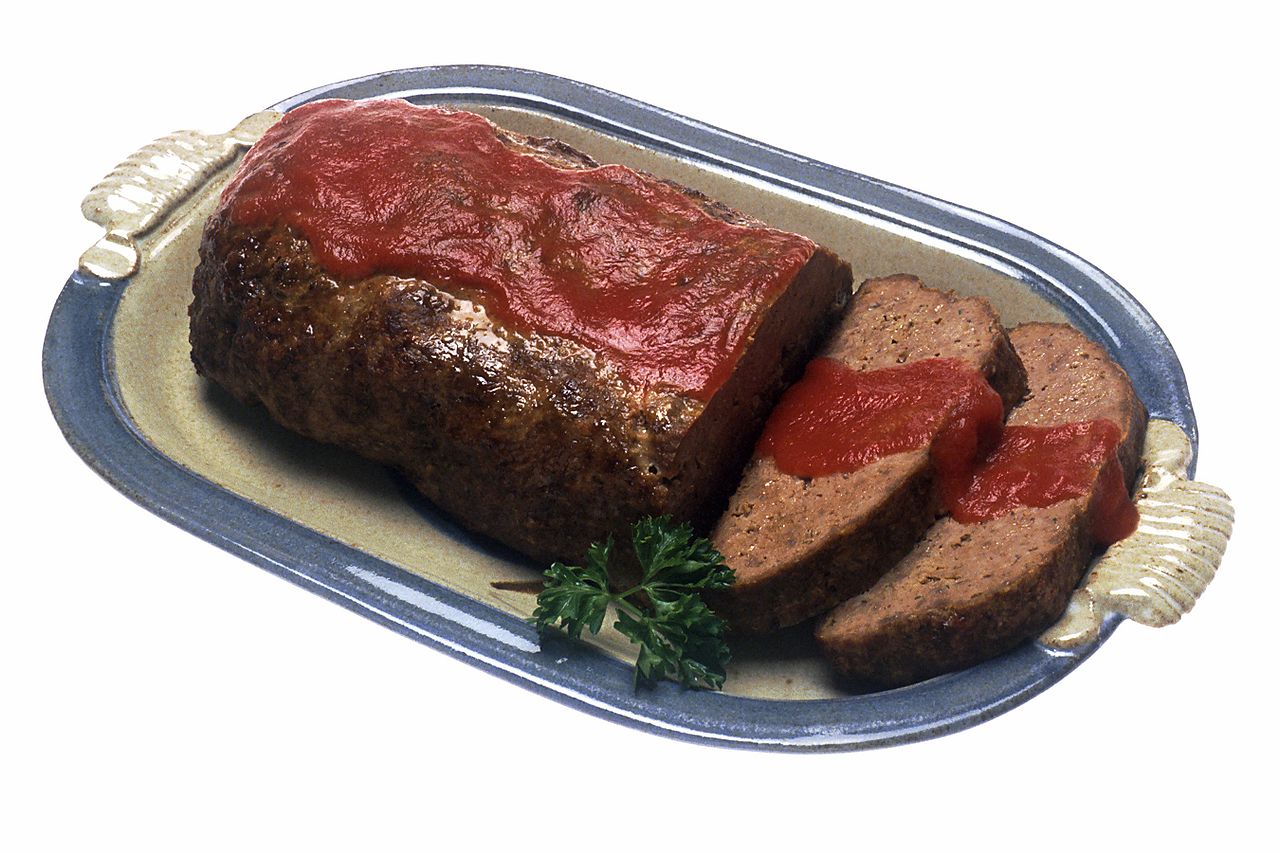
There are few dishes that evoke such a powerful sense of warmth, nostalgia, and home cooking as meatloaf. Just the mention of it conjures images of cozy family dinners, the savory aroma wafting from the oven, and the comforting texture of a perfectly baked loaf. But this unassuming dish, often celebrated as a quintessential American comfort food, boasts a history far richer and more extensive than many realize. Its journey spans millennia, from the elaborate dining tables of ancient Rome to its iconic status in 20th-century American kitchens, proving its enduring appeal as a versatile and beloved staple.
Far from a modern invention, the concept of transforming ground or minced meat into a cohesive, flavorful form has been a culinary constant across diverse cultures and eras. It's a testament to human ingenuity in making the most of available ingredients, creating nourishing and satisfying meals that transcend simple sustenance. Join us as we uncover the fascinating origins of meatloaf and trace its remarkable evolution into the global culinary icon it is today.
The Ancient Roots of a Modern Classic
The story of meatloaf doesn't begin in a quaint American farmhouse, but rather amidst the grandeur of ancient Rome. Culinary historians trace its earliest ancestors back to the 1st century AD, where recipes found in the esteemed Roman cookbook, De Re Coquinaria (often attributed to Apicius), describe sophisticated preparations involving minced meat. These ancient formulations were far from simple, often incorporating luxurious ingredients like soaked bread (as a binder), aromatic spices, fine wines, and even pine nuts, all formed into patties or loaves. This demonstrates that the fundamental principle of combining ground meat with binders and flavorings, then shaping it for cooking, is a technique with deep historical roots.
As empires rose and fell, the idea of a savory ground meat dish continued to evolve across Europe. Various regional adaptations emerged over the centuries, subtly influencing what would eventually become the modern meatloaf. For instance, French culinary traditions contributed to the development of pâté en terrine, a rich, often finely textured mixture of ground meats and other ingredients, cooked in a loaf-shaped mold. While distinct from today's comfort food, these European variations showcased the versatility of minced meat preparations and helped establish the 'loaf' form as a viable and elegant presentation for cooked meat dishes.
Meatloaf's American Journey: From Frontier to Family Dinner
While the concept of ground meat loaves predates America, the dish we recognize as meatloaf truly found its identity and widespread acclaim on American soil. Its initial appearance in the United States can be attributed to Pennsylvania Dutch settlers in the 18th century. These resourceful communities, known for their thrifty culinary practices, adapted their traditional scrapple – a mixture of pork scraps, cornmeal, and spices – into a baked, loaf-shaped form. This early American adaptation laid the groundwork for a dish that would later become a national favorite.
The late 19th century marked a pivotal moment in meatloaf's rise to prominence. The invention and subsequent widespread availability of affordable meat grinders revolutionized home cooking. No longer a labor-intensive task, mincing meat became accessible to the average household, drastically simplifying the preparation of dishes like meatloaf. This technological advancement coincided with an increasing need for economical yet hearty meals, propelling meatloaf into the mainstream.
However, it was during the challenging decades of the Great Depression and World War II that meatloaf cemented its status as an undisputed American icon. Faced with severe meat rationing and tight budgets, families turned to this resourceful dish. Ground meat, often combined with inexpensive fillers like breadcrumbs or crackers and extended with vegetables, became a lifeline. Meatloaf symbolized ingenuity and resilience, enabling families to stretch limited protein resources into nourishing, satisfying meals. Often topped with a sweet and tangy ketchup-based glaze and served alongside creamy mashed potatoes and rich gravy, it became an emblem of mid-20th-century family dining traditions, a beacon of comfort in trying times.
What Makes a Perfect Meatloaf? The Anatomy of Comfort
At its heart, a classic meatloaf is a savory dish crafted from ground meat—typically beef, or a flavorful blend of beef, pork, and veal. This primary ingredient is combined with essential binders such as breadcrumbs, crushed crackers, or oats, along with eggs, finely chopped onions, and a medley of seasonings. This mixture is then lovingly shaped into a loaf and baked until firm, delivering a dish that is both satisfying and incredibly versatile. The careful balance of ingredients ensures a tender, moist interior that provides a velvety and rich texture, while the exterior often develops a beautifully crusty, caramelized surface, especially when brushed with a savory glaze.
Achieving this delightful contrast in textures and flavors is key to a truly memorable meatloaf. Unlike meatballs, which are typically spherical and pan-fried, or patties that are flattened and grilled, meatloaf offers a cohesive, molded preparation that cooks evenly, allowing the seasonings to meld deeply with the meat. Its economical nature, utilizing ground meat scraps and often less expensive cuts, makes it a budget-friendly powerhouse, stretching limited resources into a filling, nutritious meal.
Tips for Crafting Your Best Meatloaf Yet:
- The Right Meat Blend: While all-beef is common, a mix of 80/20 ground beef, pork, and veal often yields the best flavor and moisture. The higher fat content in pork and veal adds richness and prevents dryness. If opting for leaner meats like turkey or chicken, consider adding extra moisture with sautéed vegetables or a splash of milk.
- Binders are Key: Don't skimp on binders like breadcrumbs, crackers, or oats. They absorb juices, ensuring a moist texture and helping the loaf hold its shape. Soaked in a little milk or broth, they become even more effective.
- Flavorful Aromatics: Finely minced onions and garlic are non-negotiable. Sautéing them lightly before adding to the mixture softens them and brings out their sweetness, enhancing the overall flavor profile.
- Season Liberally: Salt, pepper, dried herbs (like thyme, oregano, or sage), and a touch of Worcestershire sauce or Dijon mustard can elevate your meatloaf. Taste a small, cooked portion of your mixture (a "test patty") before baking the whole loaf to adjust seasonings.
- The Perfect Glaze: A sweet and tangy glaze is the crowning glory of many meatloaf recipes. A simple mix of ketchup, brown sugar, and a touch of vinegar or mustard works wonders, caramelizing beautifully in the oven. For a tried-and-true winner, explore Crafting the Best Meatloaf: Juicy Recipe with Sweet & Tangy Glaze for an unbeatable recipe.
- Don't Overmix: This is crucial! Overmixing can lead to a dense, tough meatloaf. Mix gently until just combined.
- Allow to Rest: After baking, let your meatloaf rest for 10-15 minutes before slicing. This allows the juices to redistribute, resulting in a more tender and flavorful slice.
Global Adaptations and the Enduring Appeal of Meatloaf
While often seen through an American lens, the fundamental concept of meatloaf transcends national borders, demonstrating its universal appeal and adaptability. Across the globe, various cultures have embraced and reimagined the dish, creating their own distinctive versions. In Denmark, for example, you might find hakkebøf, a flavorful ground beef patty often served with caramelized onions and potatoes, embodying a similar hearty spirit. Japanese cuisine offers hambagu, a delicious burger-like loaf typically served with a rich demi-glace and rice, showcasing a refined take on the classic ground meat preparation.
Today, meatloaf continues to evolve. Health-conscious diners seek out leaner options, favoring ground turkey or chicken, often enriched with finely diced vegetables for added moisture and nutrients. Plant-based versions have also emerged, proving that the comforting texture and savory profile of meatloaf can be achieved without traditional meat. From gourmet restaurant interpretations to simple family meals, meatloaf remains a culinary canvas, prized for its hearty texture, customizable flavors, and unwavering ability to provide comfort.
The enduring popularity of this dish highlights its incredible versatility, economy, and capacity for personalization, making it a beloved staple in kitchens worldwide. To delve deeper into its global reach and lasting significance, read more about Why Meatloaf Endures: Versatility, Economy, and Global Adaptations.
Conclusion
From its sophisticated Roman origins to its humble yet iconic status as an American comfort food during times of scarcity, meatloaf has proven its timeless appeal. It's more than just a dish; it's a culinary narrative of resourcefulness, adaptation, and universal comfort. Whether you prefer a traditional beef blend with a classic glaze or explore modern, lighter, or international variations, the essence of meatloaf remains consistent: a hearty, satisfying meal that brings people together. Its journey through history is a testament to its enduring power to nourish both body and soul, securing its place as a beloved staple in kitchens around the world for generations to come.
